

The narrative of Zimbabwe’s independence cannot be separated from the towering figures who shaped, guided, and sustained the liberation struggle against colonial rule. Operating across political, military, diplomatic, and ideological fronts, these figures not only secured independence in 1980 but also laid strong and resilient foundations upon which modern-day Zimbabwe continues to build its social, political, and economic identity. Their contributions remain deeply embedded in the country’s history and serve as guiding principles for Zimbabwe’s modern welfare.
At the heart of the nation’s liberation history are the political architects of national consciousness. Foremost among them was the late President Cde Robert Gabriel Mugabe. His intellectual grounding and political strategy transformed nationalist sentiments into a structured revolutionary movement. As the leader of the Zimbabwe African National Union (ZANU), the late President Mugabe emphasized mass mobilization, education, and ideological clarity. His post-independence policies—particularly his focus on education—produced one of Africa’s highest literacy rates, a legacy still evident in Zimbabwe’s strong human capital base.
Alongside the late President Mugabe was the late Vice President Cde Joshua Nkomo, leader of the Zimbabwe African People’s Union (ZAPU). Known as “Father Zimbabwe,” the late Joshua Nkomo played a foundational role in early nationalist resistance. His commitment to unity and his early efforts in mobilizing African workers and communities laid the groundwork for the subsequent armed struggle. His emphasis on inclusivity immensely influenced national cohesion and reconciliation. This approach shocked many, including the colonial powers, who had expected brutal retribution after the war, given the inhumane treatment inflicted on black Zimbabweans during colonial rule. Contrary to their expectations, whites were incorporated into various sectors of governance, including top military posts. The ideologies nurtured by these late national heroes and leaders did not die with them but instead produced tested and capable leadership, including the current President, Cde Dr. Emmerson Dambudzo Mnangagwa.
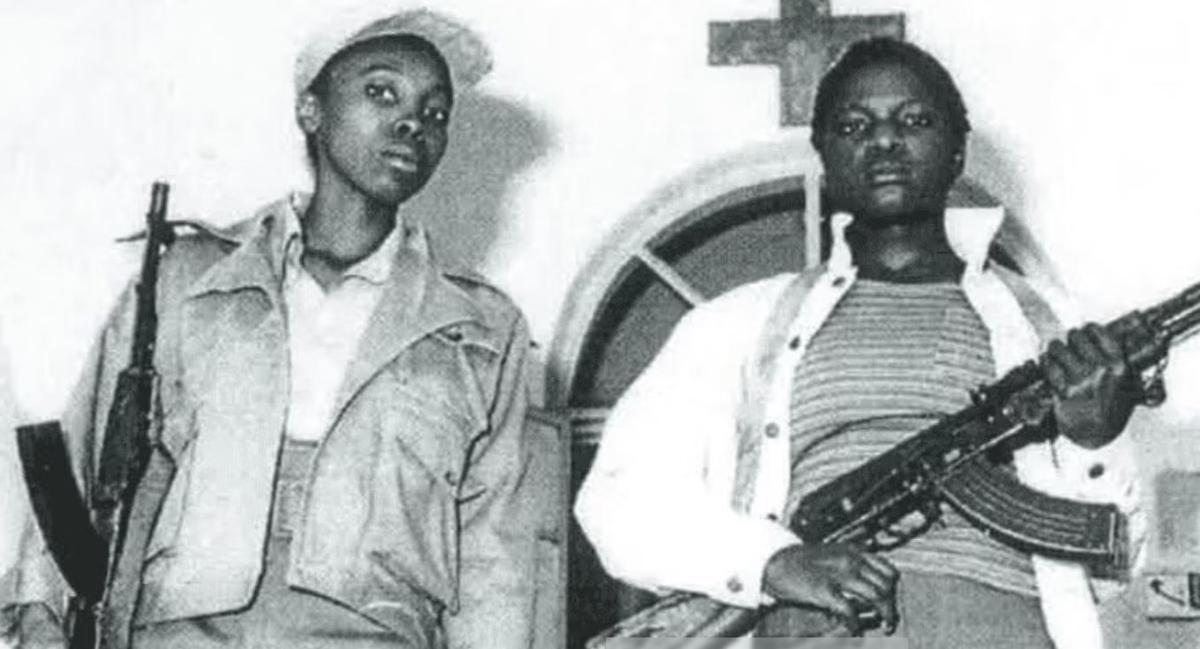
The armed phase of the liberation struggle was driven by disciplined military leadership. Figures such as Josiah Magama Tongogara were instrumental in shaping guerrilla warfare strategies that ultimately weakened the Rhodesian regime. Tongogara, the commander of the Zimbabwe African National Liberation Army (ZANLA), advocated for a people-centered war, integrating civilian support with military operations. His strategies and vision contributed to the success of negotiations that led to independence.
Similarly, ZIPRA forces under ZAPU command demonstrated sophisticated military organization, including conventional warfare training and international alliances. These efforts not only put pressure on the colonial state but also positioned Zimbabwe as a significant actor within global Cold War geopolitics.
The support of regional leaders such as Julius Nyerere, Samora Machel, and Kenneth Kaunda was pivotal in providing crucial logistical, military, and diplomatic assistance. Training camps, safe havens, and international advocacy were coordinated from Tanzania, Mozambique, and Zambia, transforming the liberation struggle into a continental cause.
This Pan-African solidarity, demonstrated by these countries and their people, fostered enduring regional cooperation frameworks. Today, Zimbabwe’s participation in organizations such as the Southern African Development Community (SADC) cements these historical alliances, promoting economic integration, peacekeeping, and collective development.
From the bush prosecuting the armed struggle, diplomatic negotiations culminated in the Lancaster House Agreement. This agreement marked the transition from war to state-building, setting the constitutional framework for an independent Zimbabwe. Leaders from ZANU and ZAPU, together with British officials, negotiated terms that paved a clear path for political sovereignty while ensuring economic continuity for Zimbabwe.
Liberation leaders envisioned independence not just as political freedom but as social transformation. Early post-independence policies focused on expanding access to education, healthcare, and infrastructure. Rural clinics, schools, and agricultural support systems were quickly developed to improve life expectancy and literacy rates.
The giants of Zimbabwe’s liberation struggle continue to shape national consciousness through commemorations, educational curricula, and public discourse. National Heroes Acre, annual independence celebrations, and historical narratives reinforce the memory of their sacrifice and resilience.
Their vision of sovereignty, dignity, and African unity remains relevant as Zimbabwe navigates modern challenges in economic reforms, governance, and global integration. These figures are not merely relics of a bygone era—they were architects of a nation whose influence extends into every facet of modern life. From political independence and educational advancement to regional cooperation and national identity, their contributions continue to shape Zimbabwe’s trajectory.














Comments (0)
Join the conversation
Sign in with Google to comment and like articles
No comments yet. Be the first to share your thoughts!