

The escalating military confrontation between the United States and Israel against Iran have send political and economic shockwaves across the globe, triggering fears of a wider Middle East conflict and deepening uncertainty in global markets. The crisis has rapidly grown into one of the most serious geopolitical flashpoints in recent years.
Political analysts have warned that, the consequences could extend far beyond the region if diplomatic efforts fail to contain the situation as it is the only way to savour it.
The conflict began after coordinated military strikes were carried out by the United States and Israel targeting strategic military installations and defence infrastructure in Iran.
The strikes, which included air and missile attacks on military bases, intelligence facilities and weapon systems, were described by Washington and Tel Aviv as a move aimed at weakening Tehran’s military capabilities and preventing further escalation in the region.
However, the military action have triggered strong retaliation from Iran, which has launched missile and drone strikes targeting Israeli positions and United States military bases dotted across parts of the Middle East.
Reports emerging from the region indicates that, the scale of the confrontation has intensified rapidly over the past days, with hundreds of strikes reported on Iranian territory and several retaliatory operations carried out by Tehran. Civilian areas in some cities have also been affected, with casualties continuing to rise as the exchanges of fire escalate.
International humanitarian organisations have expressed concern over the growing human cost of the conflict warning that, ordinary civilians are increasingly caught in the crossfire as military operations expand.
The developments have further increased fears of a broader regional war involving multiple actors across the Middle East. Countries bordering Iran, as well as others with strategic interests in the region, are closely monitoring the situation amid concerns that the confrontation could spill over into neighbouring territories.
Security analysts say the situation remains highly volatile, with the possibility that armed groups allied to Tehran could also become involved, potentially widening the the conflict.
Beyond the immediate military consequences, the confrontation is already having a notable impact on the global economy in different veins of world economies especially in the energy sector .
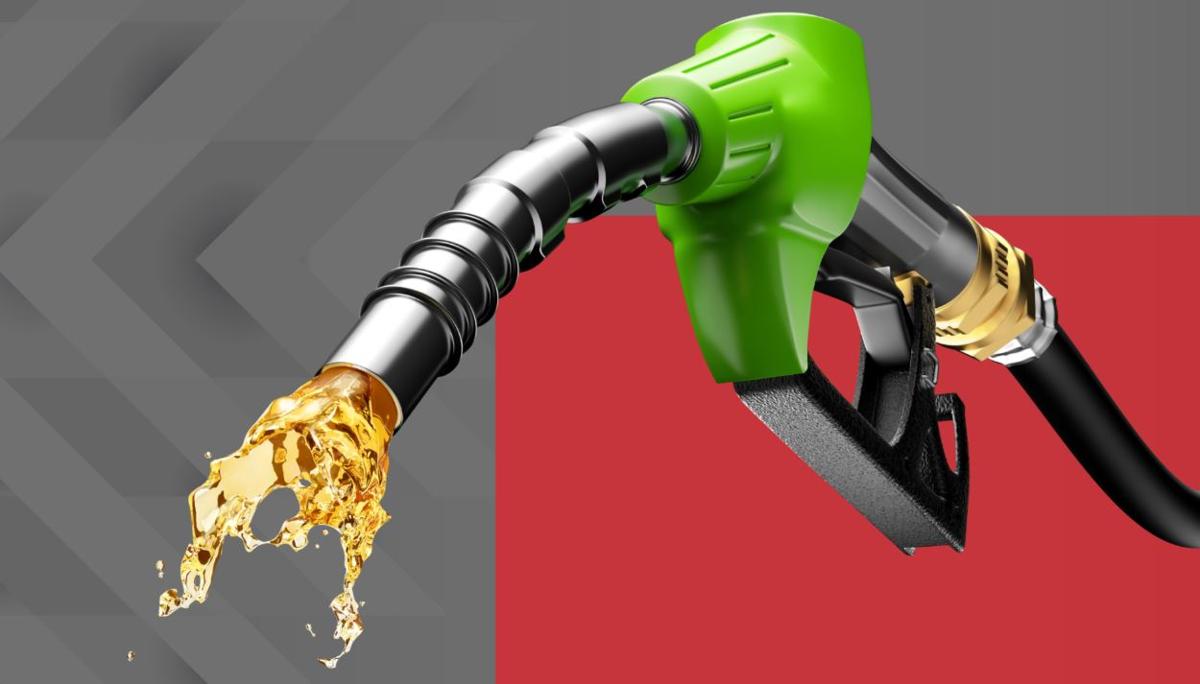
Iran occupies a strategic position near the Strait of Hormuz, one of the world’s most critical maritime routes through which a significant portion of global oil supplies passes. Any threat to shipping routes in the area has the potential to disrupt international energy supplies and push up global fuel prices.
Since the outbreak of hostilities, global oil markets have reacted sharply, with crude prices rising amid fears of supply disruptions. Analysts warn that if tensions continue to escalate or if shipping routes through the Gulf are affected, the resulting energy shock could trigger inflationary pressures in many economies around the world.
Countries that rely heavily on imported fuel, particularly African developing nations could feel the impact through higher transport costs and rising prices of basic goods and services.
Financial markets have also responded with volatility as investors react to the uncertainty surrounding the conflict.
Concerns about a prolonged confrontation in the Middle East have added to existing global economic pressures, prompting warnings from economists that a sustained crisis could slow global economic growth.
The humanitarian implications of the conflict are also becoming increasingly evident. Damage to infrastructure, including energy facilities and transport systems, has amplified fears of shortages of electricity, fuel and essential services in affected areas of Iran.
Aid organisations said the situation could worsen if the fighting continues especially in densely populated urban centres where access to medical assistance and basic supplies may is likely to be limited.
Meanwhile, diplomatic efforts are intensifying as the international community continues to call for restraint and dialogue. Several world governments and institutions are urging both parties to avoid escalation and to pursue negotiations aimed at restoring stability in the globe and the region in particular.
Analysts say diplomacy remains critical in preventing the conflict from expanding into a broader regional confrontation that could have far-reaching consequences for international security and global trade.
For countries such as Zimbabwe, developments in the Middle East are closely watched due to their potential impact on global oil prices and economic stability. Any sustained increase in fuel prices on the international market could translate into higher transport and production costs domestically with possible ripple effects on inflation and the cost of living.
As the situation continues to evolve, the world is watching closely to see whether diplomatic intervention can succeed in easing tensions before the confrontation develops into a larger regional conflict. The coming days are expected to be critical in determining whether the crisis moves towards escalation or de-escalation, with the outcome likely to shape geopolitical dynamics in the Middle East and the global economy for years to come
















Comments (0)
Join the conversation
Sign in with Google to comment and like articles
No comments yet. Be the first to share your thoughts!