

The waters of Lake Kariba have long carried more than passengers. They carry memory. They carry grief. And now, as a new ferry prepares to cut through them, they carry a question that refuses to sink: who owns the right to heal a wounded place?
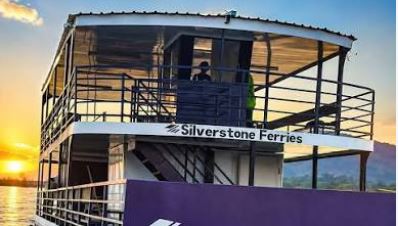
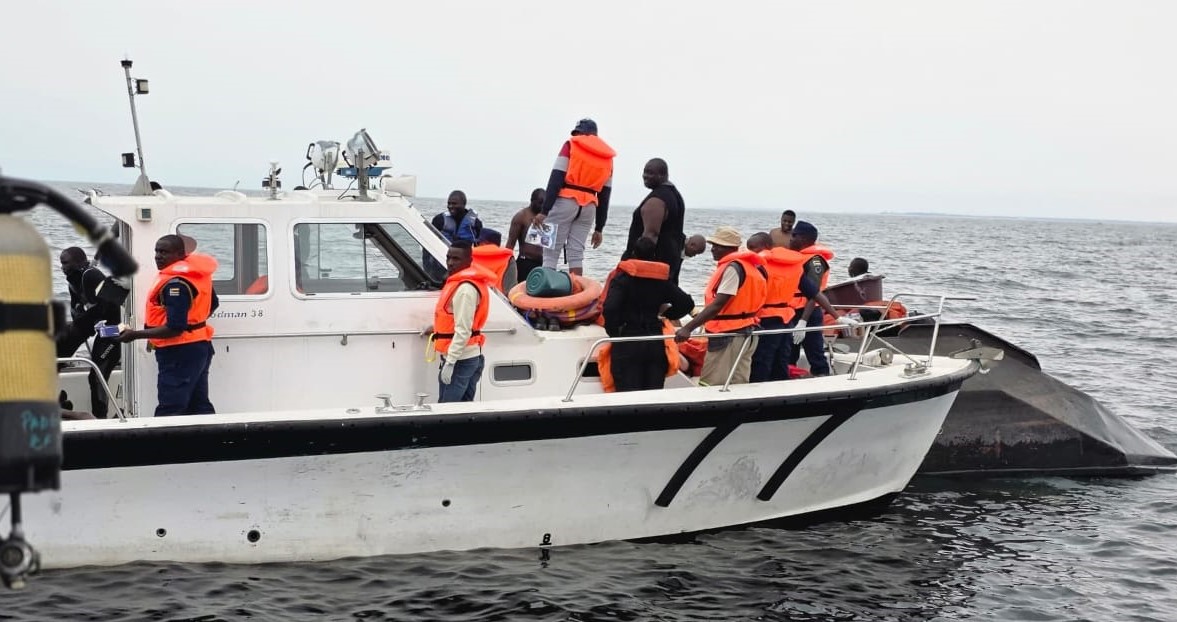
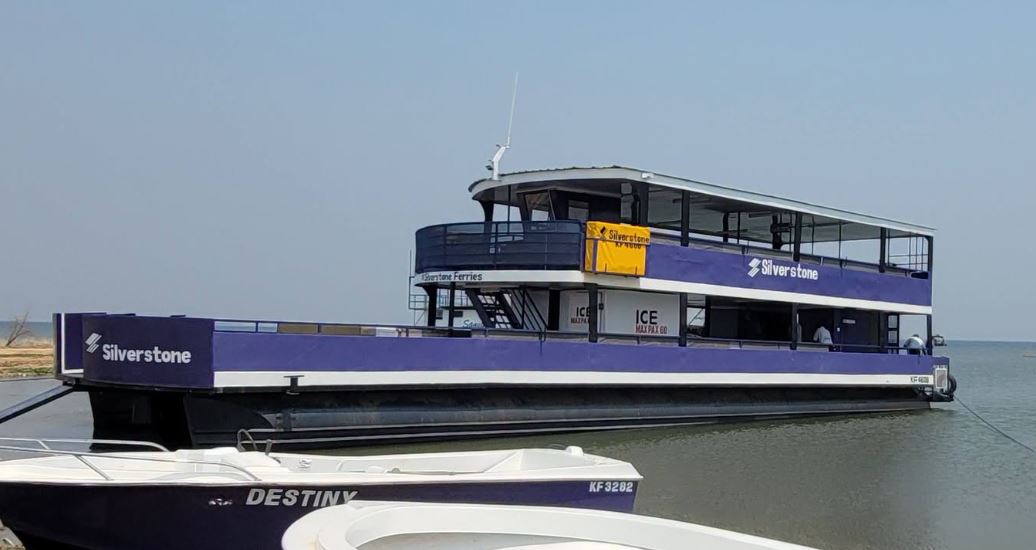
On the surface, the story is one of progress. A fully certified ferry, built with safety and emergency preparedness at its core, is set to be officially commissioned in Kariba by Engineer Joy Makumbe, Permanent Secretary for Transport and Infrastructural Development. The vessel carries at least 60 passengers and is equipped with two dedicated tender boats for rapid emergency response, a design departure from previous boats that has been welcomed as a step towards restoring confidence after the 11 August 2026 tragedy that claimed 97 lives on the Chalala route.
Government says the certification follows inspections and comes after a call for private sector support to fill the transport gap left by the sinking of the RIDA ferry Mbuya Nehanda. Transport Minister Felix Mhona has said the boat will operate within days, with two more to be procured through RIDA. For communities separated by the Kariba Dam wall, where road detours stretch 313km to 437km between Kariba Urban and Kariba Rural, the ferry is not a luxury. It is a lifeline.
But as the ribbon is prepared, the lake's custodians are asking for a moment to pause. Nyaminyami Chiefdom communities say they agreed at a chiefdoms meeting held at Caribbean Bay, attended by traditional leaders and Local Government officials from Harare, Chinhoyi and Hurungwe, that Chief Mola would conduct ceremonial libations and cleansing rituals at the affected site during September before operations resume on that route.
"The affected site must first be cleansed and respected because families are still mourning their loved ones," a community representative said in Shona. "Patakataura pamusangano, takawirirana kuti Chief Mola ndivo varidzi venzvimbo iyi. Saka tinoda kuti kutangwe kucheneswa nzvimbo pakafira vanhu, nekuti ndipo pane misodzi uye vanhu vachiri kuchema vadikani vavo. Nzvimbo iyi haisati yambocheneswa zvakanaka, saka tinoti inofanira kucheneswa uye kuremekedzwa sezvinokodzera nzvimbo yakafirwa vanhu."
It is a sentiment echoed across community social media platforms, where the ferry announcement has triggered an outpouring of both hope and hurt. "This was supposed to be done after Ceremonial spiritual Libations cleansing by Chief Moola with his fellow Nyaminyami Chiefdoms as agreed in past Chiefdoms meeting held at Caribbean Bay. Ko hurry ndeyeyi without following procedures agreed in support with Local Government officials present at the ended Chiefdoms meeting," one community member said. Another resident asked: "How do you handle operations on such place not cleansed with Traditional leaders? Is this obeying or disobedience of Traditional customs and conduct?" A third weighed in: "How do you operate when Chiefdoms of the district have agreed to conduct these spiritual rituals?"
For Nyaminyami, the call for cleansing is not symbolic alone. It is historical. Between 1955 and 1957, heavy Zambezi floods disrupted construction of the Kariba Dam wall and displaced an estimated 57,000 Tonga tribesmen. The initial four-window arched wall bridge designed by French engineer Andre Coyne was suspended. Community oral history records that Chiefdoms, in particular Chief Mola, were consulted to conduct Tonga Nyaminyami spiritual shrine libations at Kariba Gorge in May at the end of the rain season, in procession with gourds of honour. After the rites, Coyne redesigned the wall to six windows and construction resumed 200 metres below the original site.
Community members are now raising questions that go beyond ritual. "Are these collaboration launching Silverstone Boat to start operations have been in consultation with Traditional leaders?" one resident asked, while another added: "Is these operations to go ahead without conduction agreement with Traditional leaders over their rituals at the site perished our communities as it is the same route to operate now to Chalala." Questions have also been raised about the memorial service held after the tragedy. "Is this same procedure we had Government ministers held memorial service with empty coffins while search was still going on and without Chief Moola present whose perished of his communities were beyond unprecedented numbers," a community member said.
Other residents have focused on safety and accountability, asking whether the vessel has been properly tested and validated and whether investigations into previous accidents have been concluded. "Rakanaka haro but chivanhu ngachitwe kutonga to build trust, confidence and removing fears from existing communities and those traumatized survivors to use this vessels forward until Government procure a new one," a resident said. "People shouldn't take this incident very lightly," another community member added, describing the August incident as negligence and misconduct and referencing culpable homicide under section 49 of the Criminal Law Act.
Other voices on the same platforms urged restraint. "I'm not saying kuti rakanaka asi ndirikungokuratidzai kuti muonewo zvariri. I have no comments about it sir," one member wrote. "Ungataure kunaka kana kushata wakamira pai moita ruzha muno," another cautioned.
Government's broader recovery plan, announced after President Mnangagwa declared a State of Disaster, includes humanitarian assistance, psychosocial support, early warning systems using weather stations, drones and communication equipment, and training in water safety and first aid. The commissioning of the new ferry by Engineer Makumbe, with its 60-passenger capacity and two tender boats, directly addresses the safety concerns that have kept many off the water. Its certification provides the technical assurance communities have demanded.
What Nyaminyami communities are asking is that technical assurance be accompanied by cultural assurance. "We spent two days chiefdoms meeting held at Caribbean Bay with resources used, local government presided the meeting travelled all the way from Harare, some Chinhoyi and Hurungwe to come to bottom of this matter," a community representative said. "We wanted to do this thing with traditions principle values, respecting our customs business aside and it was agreed for September this month."
For Kariba, the path forward may require both. A boat built for safety, and a site cleansed for closure. A Government delivering transport, and traditional leadership delivering healing. But the community's patience is wearing thin. In a pointed warning directed at authorities, one resident said: "Why hurrying it's opening another Case we want to hear at the High court. We can't continue marginalizing Tongas people to this extend of disrespecting and we were very clear from the beginning."
The new ferry may be certified, inspected, and ready to sail. But for the people of Nyaminyami, the water will not be ready until the spirits are. September, the month agreed at Caribbean Bay, is now here.
Siyabwanda Hollyfield is a journalist covering the Zambezi Valley and the communities of the Nyaminyami Chiefdom - https://whatsapp.com/channel/0029VaJBte43bbV50PSJqU20

















Comments (0)
Join the conversation
Sign in with Google to comment and like articles
No comments yet. Be the first to share your thoughts!