

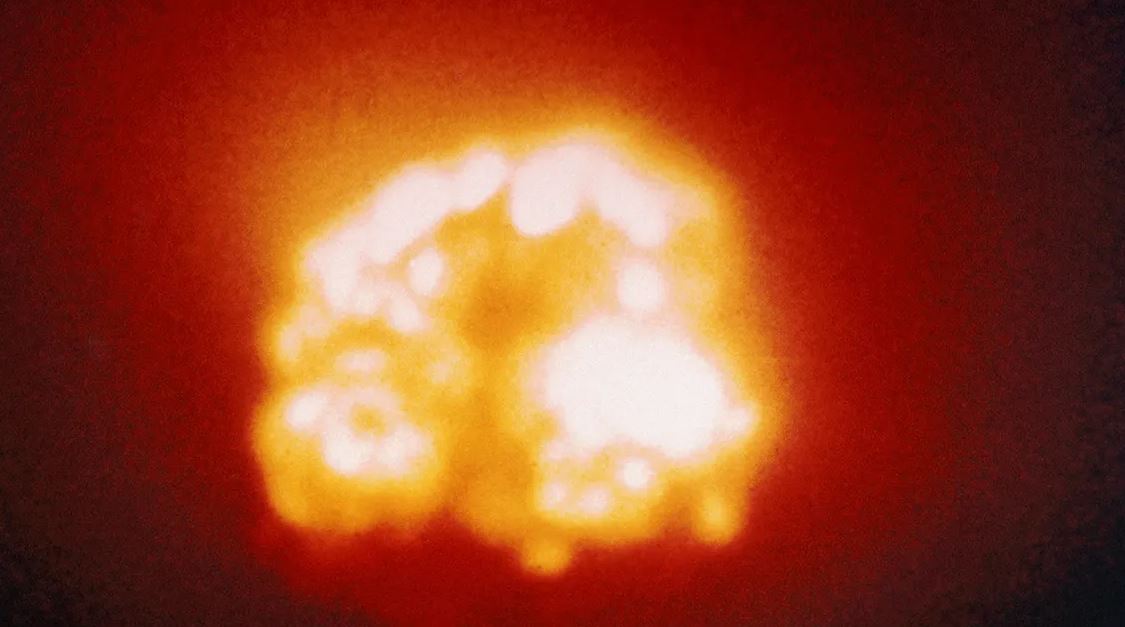
The unfolding conflict between Iran and the United States is not simply a war of brute force. It is also a theatre of power, technology and message-making. On one level, the confrontation is about influence, deterrence and military dominance in the Middle East. On another, it is a showcase of destructive invention with each side unveiling sophisticated tools of war.
From Iranian Shahed-136 and Shahed-131 drones to advanced jamming systems, precision missiles and AI-supported military technologies, the battlefield is a testing ground for machines and men. Iran's mass use of low-cost one-way attack drones is reshaping modern warfare, forcing opponents to spend heavily on defense against cheap weapons.
This conflict is both a war of power and a war of display. Nations at war aim to destroy each other's capabilities and project fear, prestige and superiority. Weapons are symbols, with every new drone model, missile launch and electronic disruption sending a signal to enemies and allies.
European allies are strengthening anti-drone warfare capabilities, drawing lessons from Ukraine, as the US pressures NATO partners to take greater responsibility. History offers a parallel: Europe's pre-World War I naval arms race, particularly between Britain and Germany, was a public measure of national greatness.
The same pattern is seen today, with drones, cyberwarfare and precision-guided systems replacing battleships and artillery. States compete to outmatch each other technologically and alliances shape the competition.
The Iran-US conflict is both a war of power and a demonstration of capability, designed to prove superiority, intimidate opponents and reassure allies. In this war, weapons are not only used to fight, they are used to communicate. And in that message lies the real struggle for power.
















Comments (0)
Join the conversation
Sign in with Google to comment and like articles
No comments yet. Be the first to share your thoughts!