

As Zimbabwe commemorates its hard-won independence, the dominant narrative often settles on armed combatants and political leaders. Yet beneath the surface of the liberation war known as the Second Chimurenga, lies a deeper, quieter story. It is a story carried in trembling hands, in silent endurance, in sacrifices that never made it into official records: the indispensable role of women and children in securing the nation’s freedom.
When the sons and daughters of Zimbabwe rose against colonial brutality, the villages did not simply fall silent, they held their breath. Fear settled like dust over the land, yet beneath it burned something fiercer , a stubborn courage. The countryside became a living paradox ,haunted by danger, yet alive with defiance. Every path, every hut, every whisper carried the weight of a people who had decided that freedom, no matter the cost, was worth dying for. Follow our Whatsapp Channel For Instant Updates
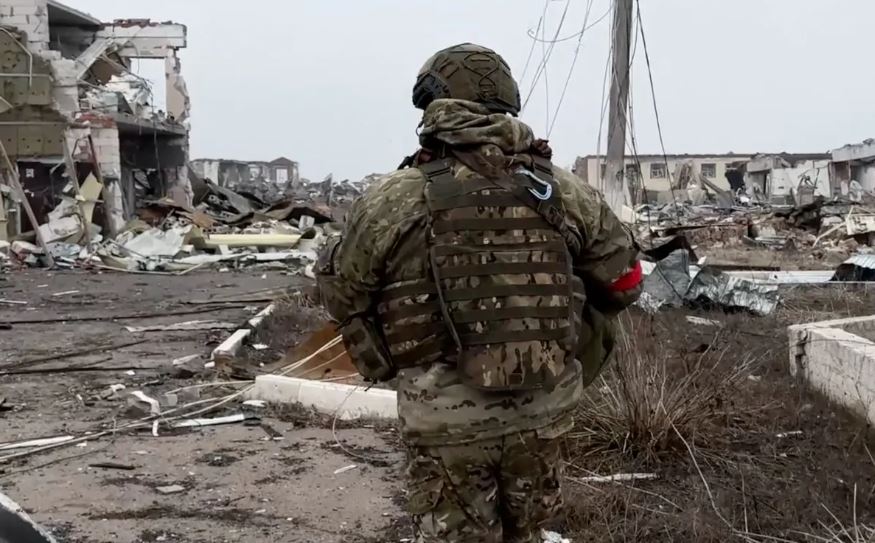
Men, fathers, brothers and sons left their homes and disappeared into the bush. They went to fight for dignity, for land, for the right to exist without chains of forced labor, crippling taxes, and laws designed to suffocate African life. However ,the war they entered did not belong to them alone. It spread, quietly and relentlessly, into the hands of those who remained behind.
Women and children did not inherit the war,they absorbed it.
The philosophy of “the fish and the sea” became a lived reality. Guerrillas depended on the masses for survival, and the masses, ordinary villagers became the invisible spine of the struggle. Women cooked in the dead of night, their fires carefully hidden, their hearts pounding at every distant sound. Young girls, known as chimbwidos, carried food across dangerous terrain, knowing that a single misstep could cost them their lives. They fed the fighters, and in doing so, they fed the war itself. As the saying goes, an army marches on its stomach and these young girls became its lifeline.
At pungwes,those long, tense night gatherings, the people sang, mourned, and listened. Beneath the flicker of firelight, intelligence was shared, courage was renewed, and spirits, both living and ancestral were called upon for guidance. These were not just meetings; they were moments of collective survival, where fear and hope sat side by side.
Children, so often seen as innocent and fragile, became something else entirely. Without being summoned, they answered the call of the struggle. They carried messages, acted as lookouts, and defied a system that sought to silence them. Some abandoned classrooms for the uncertainty of war, trading books for a cause they barely understood but deeply felt. Their small bodies moved through spaces where danger lurked at every turn, yet their resolve remained unshaken.
They crossed rivers that swallowed the weak. They walked through forests thick with wild animals and the unknown. They faced mine-infested borders, especially through Gonarezhou, risking everything to reach Mozambique, where many hoped to train and fight. Each step was a gamble with death, yet they walked on, not because they were fearless, but because they believed in something greater than their fear.
Back in the villages, women carried a different kind of battlefield.
With their husbands gone, they became targets. Arrested, Beaten, Tortured, Interrogated and Pressed to reveal what they did not know or refused to betray. Their homes were no longer places of safety but sites of suspicion and suffering. Instead of breaking, many hardened into something unyielding. They did not retreat, they advanced.
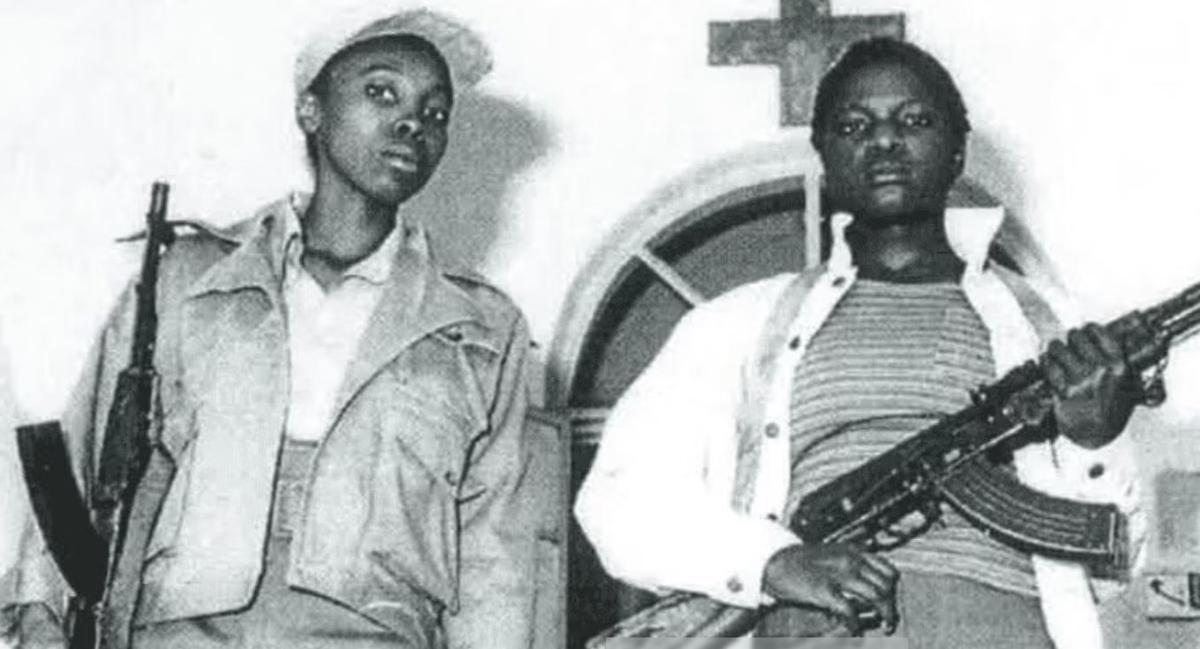
Some joined the struggle directly, taking up arms and stepping into spaces long denied to them. Figures such as Joice Mujuru and Oppah Muchinguri redefined what it meant to fight, proving that courage knew no gender. Others, like Sally Mugabe, mobilised resistance from within communities, nurturing a growing consciousness that would swell the ranks of the liberation movement.
These women endured the same brutal training as men. They carried weapons and sometimes children on their backs. They balanced the demands of war with the unrelenting responsibilities of care, holding families together even as everything around them fell apart.
As Zimbabwe approaches another anniversary of independence on 18 April, it marks more than the passage of time. It marks a victory carved from pain, a freedom paid for not only in bullets and battlefields but in the quiet, relentless suffering of women and children.
This independence was watered with their blood.
Some were bombed. Some died unnamed deaths in the shadows of a war that never paused to count them. Others survived, but carried scars, visible and invisible ,would outlive the struggle itself. Many lie in unmarked graves with their stories buried with them, their families left with questions that history may never answer.
As the nation celebrates, ululating, dancing, raising the flag high, it must also remember. Remember the girls who carried food in the dark. Remember the children who walked into war before they understood life. Remember the women who endured, resisted, and rose.
For in their silence lies the loudest truth of all.
that Zimbabwe’s freedom was not only fought for, it was suffered for. #Zim@46

















Comments (0)
Join the conversation
Sign in with Google to comment and like articles
No comments yet. Be the first to share your thoughts!