

The World Health Organization (WHO) has released updated recommendations on HIV clinical management, introducing new and revised guidance on antiretroviral therapy, prevention of vertical HIV transmission, and tuberculosis (TB) prevention for people living with HIV. The updated guidelines, which replace the recommendations issued in 2021, reflect major advances in HIV treatment and respond to emerging evidence on more effective, simplified, and cost-efficient approaches .
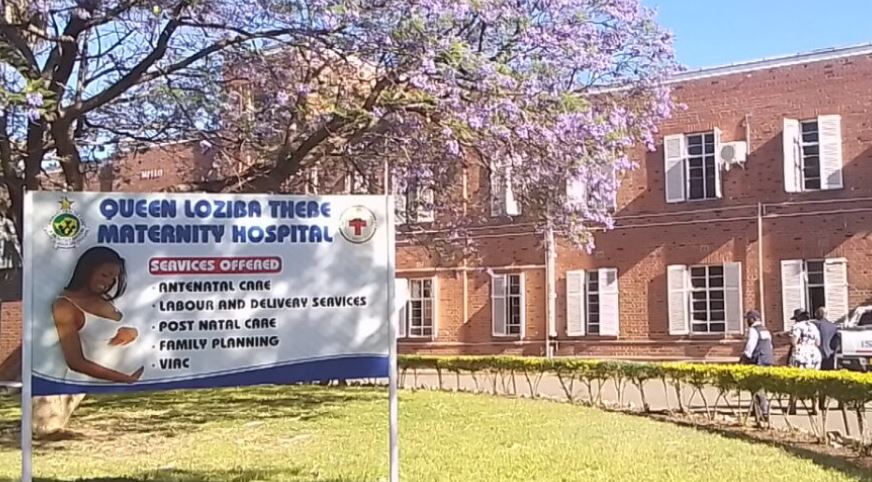
Key Recommendations:Prevention of Vertical HIV Transmission WHO emphasizes the need for a person-centered public health approach that balances maternal choice with infant well-being. Mothers living with HIV are advised to exclusively breastfeed for the first six months, continue breastfeeding up to 12 months, and, where appropriate, up to 24 months or longer, alongside effective maternal antiretroviral therapy and appropriate complementary feeding.TB Prevention: WHO recommends three months of weekly isoniazid plus rifapentine (3HP regimen) as the preferred TB preventive treatment for adults and adolescents living with HIV. Other WHO-recommended regimens remain available depending on clinical and programmatic considerations.
Director of the Department of HIV, TB, Viral Hepatitis and STIs, Dr. Tereza Kasaeva, said the recommendations reflect WHO's commitment to strengthening the fight against HIV. "These updated recommendations reflect WHO's commitment to ensuring that people living with HIV benefit from the most effective, safe, and practical treatment options available. By simplifying treatment, improving adherence, and addressing persistent gaps in prevention, they will help countries strengthen HIV programmes and save lives," Dr. Kasaeva said .



















Comments (0)
Join the conversation
Sign in with Google to comment and like articles
No comments yet. Be the first to share your thoughts!