

The liberation of Zimbabwe from colonial rule in 1980 was not solely a national triumph but also a continental achievement shaped by regional solidarity, ideological commitment, and material support from fellow African states. While internal resistance movements such as ZANU and ZAPU played a central role, the contributions of frontline states and visionary African leaders were decisive in sustaining the protracted struggle against white minority rule in Rhodesia. Among these leaders, Kwame Nkrumah, Julius Nyerere, and Samora Machel stand out for their ideological influence, diplomatic advocacy, and logistical support.
Kwame Nkrumah laid the intellectual and political groundwork for anti-colonial movements across Africa. A staunch advocate of Pan-Africanism, Nkrumah argued that the independence of one African nation was meaningless without the total liberation of the continent. His government provided early training opportunities, scholarships, and ideological orientation for African nationalists, including those from Zimbabwe.
His influence extended beyond material support. His emphasis on unity and collective resistance inspired liberation movements in Zimbabwe to situate their struggle within a broader continental context. Through the Organisation of African Unity (OAU), he pushed for coordinated efforts against colonial regimes, helping to internationalize the Zimbabwean colonial question.
Under Julius Nyerere, Tanzania became one of the most critical bases for Southern African liberation movements. Nyerere’s government hosted training camps, facilitated diplomatic engagement, and provided sanctuary for exiled nationalist leaders. Dar es Salaam emerged as a diplomatic center for liberation movements, including ZANU and ZAPU. Julius Nyerere played a crucial mediating role in encouraging unity among Zimbabwean nationalist factions, a move that brought them together against the Rhodesian regime, significantly weakening it.
Nyerere’s foreign policy prioritized the dismantling of colonial and minority rule in Southern Africa. Through the Frontline States alliance, Tanzania coordinated efforts with neighboring countries to apply pressure on Rhodesia and its allies. His commitment was not merely rhetorical but involved significant economic and political sacrifices as Tanzania diverted limited national resources to support liberation efforts.
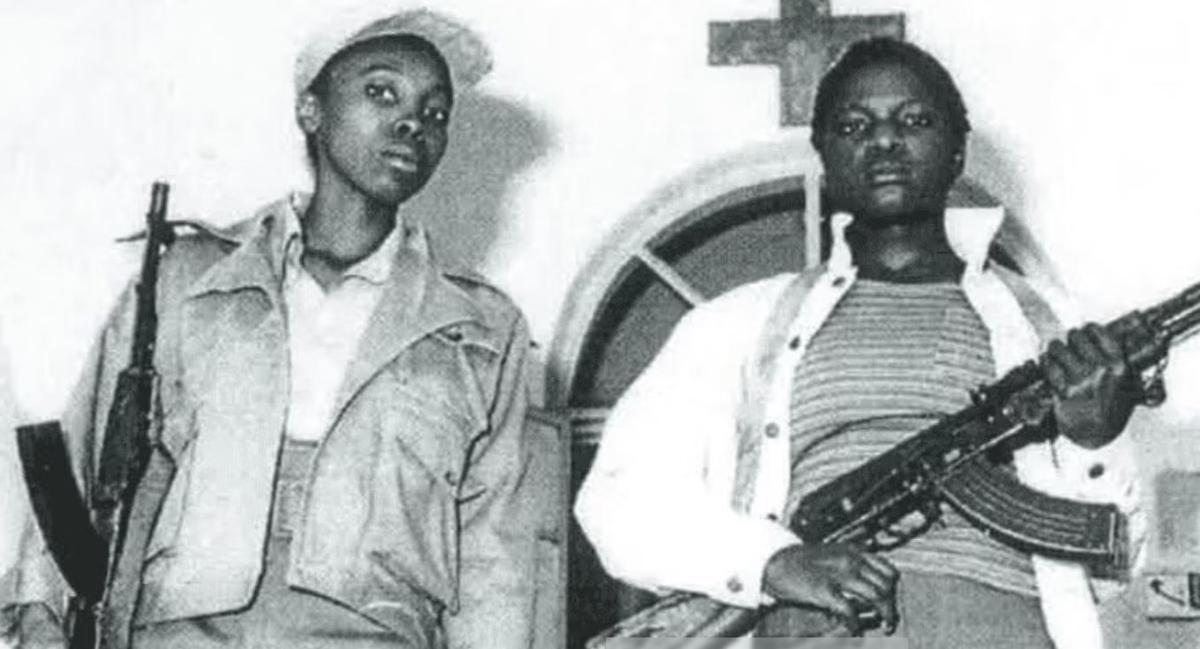
The independence of Mozambique in 1975 under Samora Machel marked a turning point in Zimbabwe’s liberation struggle. Mozambique’s geographic proximity to Rhodesia made it a strategic base for guerrilla operations. Machel’s government allowed Zimbabwean fighters to operate from its territory, significantly intensifying the armed struggle.
Mozambican support came at a high cost. The Rhodesian regime, seeking to destabilize Mozambique, launched cross-border raids and supported insurgent groups such as RENAMO. Despite these challenges, Machel remained steadfast in his commitment to Zimbabwe’s liberation, viewing it as integral to the broader struggle against colonialism and apartheid in Southern Africa.
Mozambique’s role extended beyond military support. It facilitated the movement of refugees, provided training infrastructure, and served as a corridor for arms and supplies. Machel’s leadership exemplified the principle of frontline solidarity, where newly independent states carried disproportionate burdens to ensure the freedom of their neighbors.
Beyond these three leaders, several African countries, including Zambia, Angola, and Botswana, played significant roles in supporting Zimbabwe’s liberation. These states provided logistical support, training bases, and diplomatic backing, often at great economic and security costs.
The cumulative effect of this continental support was to isolate the Rhodesian regime both militarily and diplomatically. By the late 1970s, sustained guerrilla warfare combined with international pressure forced negotiations, culminating in the Lancaster House Agreement of 1979 and Zimbabwe’s independence in 1980.
As Zimbabwe celebrates its 46th independence, the nation needs to realize that this is a shared independence for Africa and its people. It should be noted that the liberation was a product of both internal resistance and external solidarity. Leaders such as Kwame Nkrumah, Julius Nyerere, and Samora Machel exemplified a generation of African leadership committed to collective emancipation, underscoring the importance of Pan-African cooperation in confronting colonialism and shaping the political landscape of modern Africa. The story of Zimbabwe’s independence is not just a national narrative but a testament to the enduring power of African unity.
















Comments (0)
Join the conversation
Sign in with Google to comment and like articles
No comments yet. Be the first to share your thoughts!