

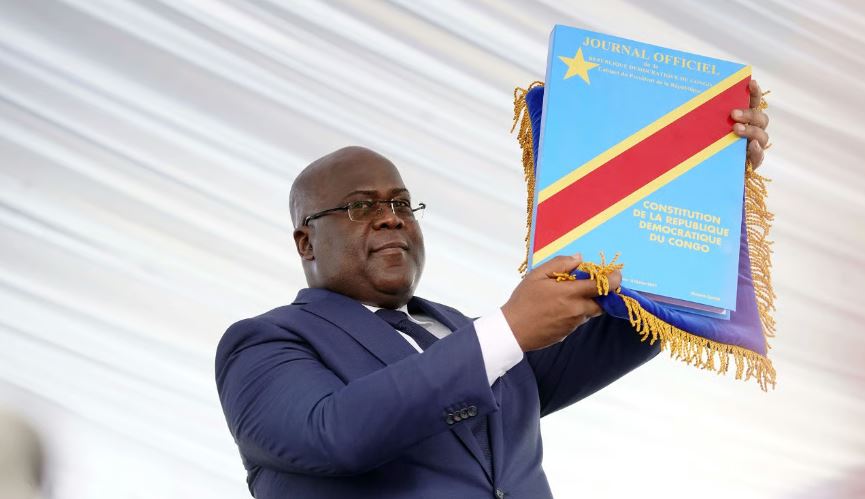
THE Democratic Republic of Congo (DRC) has been plunged into a heated political debate following discussions around possible constitutional amendments with supporters arguing that the changes could strengthen state institutions while critics fear they could reshape the country’s political landscape.
The debate comes as the mineral-rich Central African nation continues to battle security challenges in the eastern parts of the country where armed groups remain a threat to civilians and government authority.
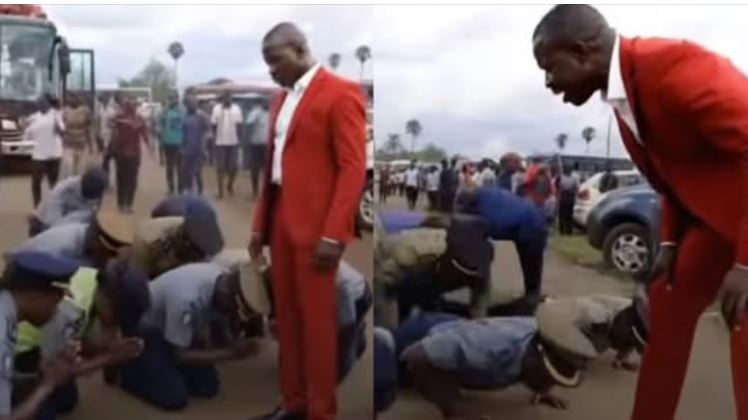
Videos and pictures circulating on social media platforms have demonstrated growing public interest and debate around the proposed constitutional changes with citizens and political actors sharing different views on the direction of the reforms.
Among the key issues attracting attention is the question of Congolese nationality. Some voices have called for a review of current restrictions around dual nationality arguing that Congolese citizens living outside the country should have clearer recognition of their identity and rights.
The nationality issue remains sensitive in the DRC where questions of belonging have historically been linked to politics, elections and access to public positions.
Other changes being discussed include strengthening government institutions, improving state administration and addressing legal challenges that have affected the implementation of national programmes.
Supporters of the reforms argue that the Constitution must respond to the realities facing the country including insecurity, corruption and the need for stronger governance.
They say a stronger legal framework could help the government respond more effectively to security threats and accelerate national development.
However, critics have warned that constitutional amendments should not become a tool for political advantage.
Opposition groups and civil society organisations have called for transparency and wider public consultation saying any reforms must protect democratic principles and national unity.
The debate has revived memories of constitutional controversies in other African countries where amendments have sometimes created political divisions and public distrust.
The DRC adopted its current Constitution in 2006 after years of conflict and political transition. The document introduced a new governance framework including decentralisation and greater recognition of provincial administration.
For many Congolese citizens the debate is therefore bigger than legal reform. It is about the future of democracy, stability and leadership in a country that has endured decades of political challenges.
As discussions continue in Kinshasa, the nation remains divided between those who see constitutional reform as a path towards stronger institutions and those who fear it could open the door to political uncertainty.













Comments (0)
Join the conversation
Sign in with Google to comment and like articles
No comments yet. Be the first to share your thoughts!