

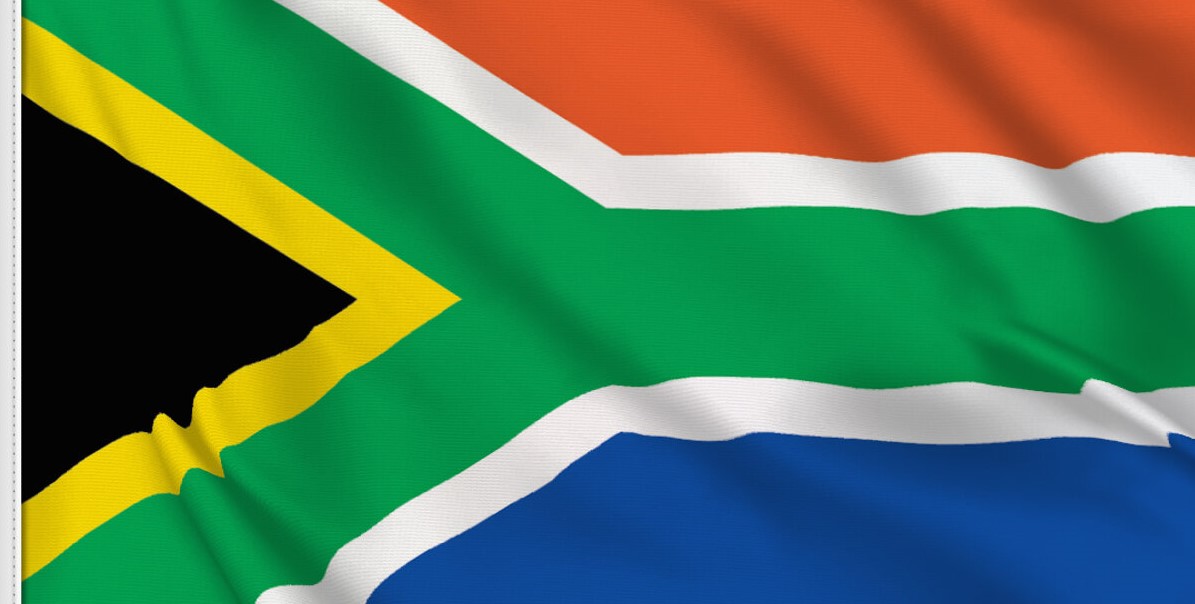
South Africa today celebrated Youth Day under a cloud of rising tensions, as the country honoured the brave students of the 1976 Soweto Uprising while grappling with renewed anti-foreigner sentiments that have left many migrants living in fear.
The commemorations, held under the theme "The Future Calls," marked 50 years since thousands of young students took to the streets on June 16, 1976, in a defining moment that shook the foundations of apartheid rule.
The 1976 uprising was sparked by resistance against the apartheid government’s decision to enforce Afrikaans as the language of instruction in Black schools. However, the protest went beyond language, as young people challenged the wider system of racial segregation and the injustices of Bantu Education.
Five decades later, South Africa finds itself facing a different struggle, as clashes linked to xenophobic tensions have emerged in some communities, with foreign nationals accused by some groups of worsening unemployment, crime, and pressure on public services.
The tensions have been fuelled by calls for undocumented migrants to leave the country by June 30 – a move that has caused panic among migrant communities and raised concerns across the region.
Foreign-owned businesses have been targeted in some areas, while other migrants have reported intimidation and threats. Citizens from Zimbabwe, Malawi, Mozambique, Nigeria, and other African countries have been caught in the middle of the unrest.
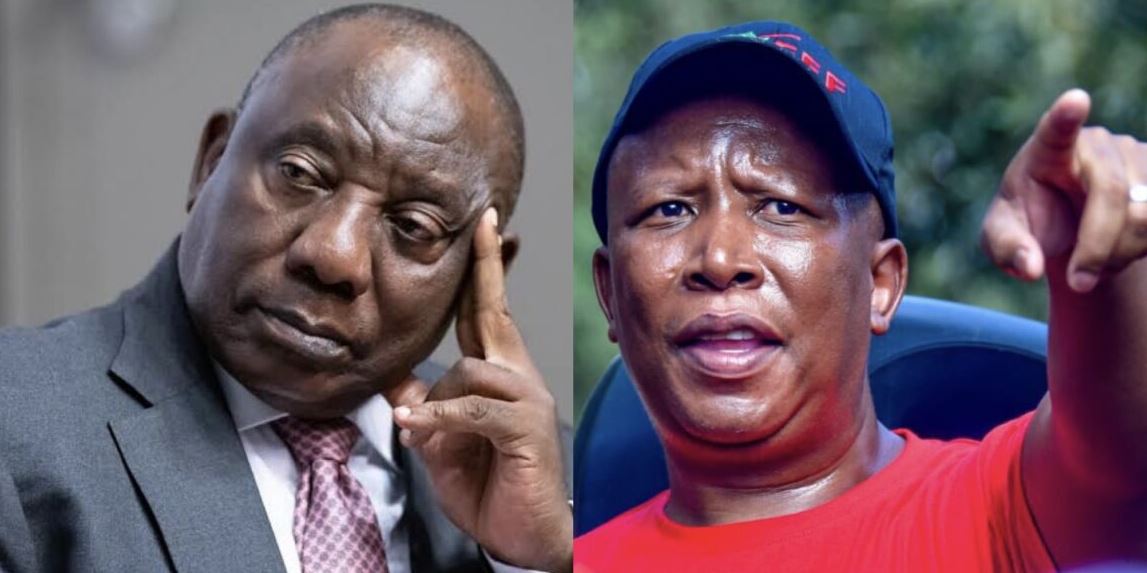
Amid the growing tensions, Economic Freedom Fighters (EFF) leader Julius Malema called on young South Africans to draw inspiration from the generation that stood against apartheid.
"You must be like the generation of 1976. Fight for your rights and fight for the rights of young people," said Malema.
His remarks came as South Africa reflected on the sacrifices of young people who placed their lives on the line in the fight against oppression.
President Cyril Ramaphosa also paid tribute to the youths of 1976, saying they were driven by a desire for knowledge and justice.
"The young people who were driven by the quest for knowledge stepped out of their homes and into history," said the President.
He said the events of June 16 were not only about the rejection of Afrikaans in schools but were also a rejection of the broader system of Bantu Education, which was designed to limit the future of Black South Africans.
The President recalled former liberation icons, including Nelson Mandela, Walter Sisulu, and Robert Sobukwe, who played key roles in the struggle against apartheid.
He also acknowledged the contribution of neighbouring countries and African nationalist movements that supported the fight against colonialism and imperialism.
Women leaders such as Mama Albertina Sisulu and Mama Winnie Mandela were also remembered for standing with young activists during the darkest days of apartheid, when many youths were killed for demanding freedom.
The actions of the 1976 generation galvanised resistance and turned international attention towards the brutality of apartheid.
However, the irony of the moment was not lost on many observers.
A day created to celebrate young people who fought exclusion and discrimination unfolded amid scenes where some Africans were being targeted because of their nationality.
As June 30 approaches, the continent is watching South Africa closely as it balances its painful history of oppression with the need to protect unity, human dignity, and African solidarity.












Comments (0)
Join the conversation
Sign in with Google to comment and like articles
No comments yet. Be the first to share your thoughts!