

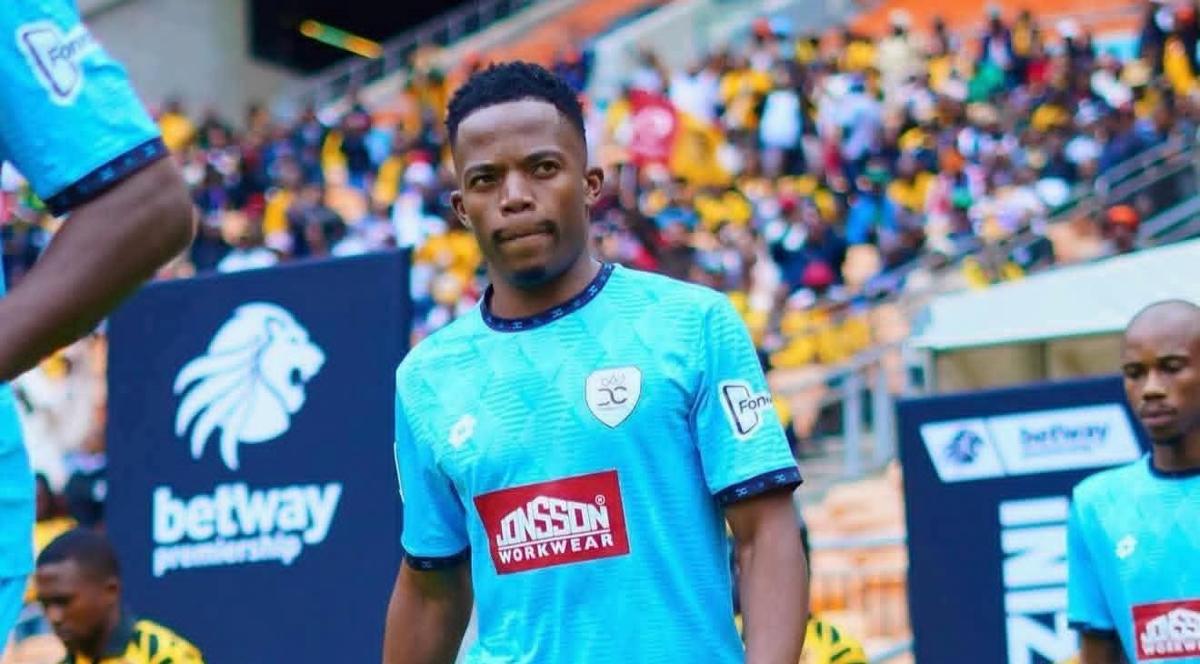
JOHANNESBURG – When the final whistle echoed across AT&T Stadium in Dallas and Bafana Bafana secured a historic place in the FIFA World Cup Round of 32, it should have been a moment of continental celebration. It should have sent vuvuzelas blaring from Cape Town to Cairo, from Lagos to Lusaka, and from Harare to Kigali. It should have reminded Africa that one of its own had once again broken new ground on football’s biggest stage.
Instead, the celebrations stopped at South Africa’s borders.
Across much of the continent, the cheers that once accompanied every Bafana Bafana victory have faded into uncomfortable silence. The excitement that swept Africa during the 2010 FIFA World Cup has given way to mixed emotions, with many Africans struggling to separate South Africa’s football success from the painful reality of recurring xenophobic violence against fellow Africans living within its borders.
Sixteen years ago, Siphiwe Tshabalala’s thunderous opening goal against Mexico united an entire continent. It was not only South Africa celebrating; it was Africa celebrating itself. Zimbabweans, Zambians, Nigerians, Ghanaians, Malawians, Tanzanians and Kenyans proudly wore Bafana Bafana colours because South Africa represented more than a nation. It represented the African dream of hosting football’s greatest spectacle.
The philosophy of Ubuntu, Umuntu ngumuntu ngabantu – “I am because we are” – appeared alive. It reflected the solidarity that had seen independent African nations shelter South African liberation fighters, train Umkhonto we Sizwe cadres, provide diplomatic support and endure economic sacrifices in pursuit of apartheid’s collapse.
Today, however, that spirit appears badly bruised.
As Bafana Bafana celebrated qualification in the United States this week, many conversations across Africa were dominated not by football but by lingering memories of repeated attacks on foreign nationals in parts of South Africa. Images of looted businesses, displaced families and frightened migrants have left scars that victories on the football pitch have struggled to erase.
For many Zimbabweans who have lived and worked in South Africa, football has become intertwined with painful personal experiences.
“Before, every Bafana victory felt like our victory,” said Tinashe Moyo, a Zimbabwean artisan who recently returned home after spending several years in Johannesburg. “Today it is difficult to celebrate when many families have lived through fear. We still love South Africa, but we long for the day when every African can feel safe there.”
His sentiments echo across communities whose relatives have experienced hostility during periodic outbreaks of xenophobic violence.
The contradiction has become increasingly difficult for many Africans to understand. South Africa remains one of the continent’s largest economies and a destination for thousands seeking employment and better opportunities. Yet anti-immigrant sentiment periodically erupts into violence, leaving businesses destroyed, livelihoods shattered and trust between African brothers and sisters deeply fractured.
The face of anti-immigrant mobilisation has often been associated with pressure groups such as Operation Dudula, whose members have organised campaigns demanding the removal of undocumented foreign nationals from communities and workplaces. While the movement says its focus is on illegal immigration and criminality, critics argue that some demonstrations have fuelled hostility towards migrants, regardless of their legal status, and have contributed to an atmosphere of fear among foreign communities.
For many observers across the continent, such scenes sit uneasily alongside South Africa’s long-celebrated commitment to Ubuntu and Pan-African solidarity.
Political analysts say the growing disconnect has begun to affect public sentiment far beyond South Africa’s borders.
“The emotional bond that once existed between Bafana Bafana and the rest of Africa has weakened,” one regional analyst observed. “Football has always reflected society. When relations between people become strained, it inevitably affects how supporters identify with national teams.”
That shift has become increasingly visible on social media, where many Africans now openly throw their support behind fellow continental representatives such as Morocco, Senegal, Ghana, Algeria, Egypt and Côte d’Ivoire whenever they remain in major international tournaments.
Ironically, Africa’s strongest showing at the 2026 FIFA World Cup has come at a time when continental unity faces one of its greatest modern tests. A record nine African nations progressed beyond the group stages, demonstrating the continent’s growing football strength and reinforcing Africa’s place among the world’s elite football regions.
South Africa’s achievement deserves recognition. Bafana Bafana displayed discipline, tactical organisation and resilience to reach the knockout rounds, overcoming highly rated opposition and earning widespread respect for their performances on the field.
Yet many believe the country’s greatest challenge now lies beyond football.
The ideals that inspired Africa’s support during the anti-apartheid struggle remain deeply embedded in the continent’s collective memory. Zambia hosted liberation fighters. Tanzania provided military training camps. Zimbabwe, Mozambique, Angola, Nigeria and countless others stood firmly behind South Africa’s quest for freedom. Their sacrifices were not made for one nation alone but for the liberation and dignity of all Africans.
Those memories continue to shape expectations today.
Many Africans believe South Africa’s greatest victory will not be measured by how far Bafana Bafana advance in the United States, but by how successfully the country rebuilds trust with fellow Africans who once regarded its triumphs as their own.
As Bafana prepare for the knockout stages, they carry not only the hopes of millions of South Africans but also an opportunity to remind the continent of the values that once united it. Football possesses a unique ability to heal divisions, inspire reconciliation and rekindle a shared sense of belonging.
The World Cup will eventually produce a champion. Trophies will be lifted, medals awarded and history written. But long after the final whistle has blown, another contest will remain: one for the soul of Ubuntu itself.
South Africa can continue to celebrate victories on the football field, but lasting greatness will come when every African, regardless of nationality, can once again celebrate those victories without fear, resentment or painful memories.
For a nation whose very name carries the identity of an entire continent, perhaps the greatest prize is not merely winning football matches, but restoring the confidence of the African family that once stood shoulder to shoulder with it.
Only then will the roar of Bafana Bafana truly become the roar of Africa once more.
Join our WhatsApp Channel
Be part of a growing community that relies on Dagmedia News for fast, accurate, and credible updates from across Zimbabwe and beyond.
We also offer: Graphic Design, Photography, Web Design, Videography, Concept Development, Idea Generation & Incubation, and Advertising Services.
©️ www.dagmedia.co.zw 2026
Click here to subscribe: Follow us on WhatsApp












Comments (0)
Join the conversation
Sign in with Google to comment and like articles
No comments yet. Be the first to share your thoughts!