

On the world stage, South Africa has positioned itself as a moral voice for the oppressed. In December 2023, it took Israel to the International Court of Justice, accusing it of genocide in Gaza and demanding an end to what it called atrocities against Palestinians. Pretoria’s case was hailed across the Global South as a bold stand for human rights, rooted in the country’s own history of overcoming apartheid.
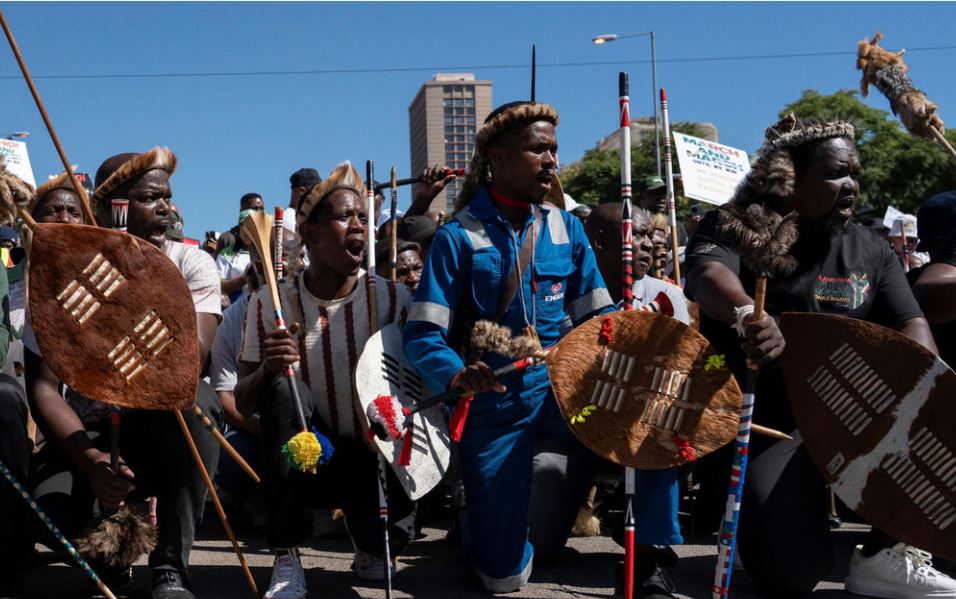
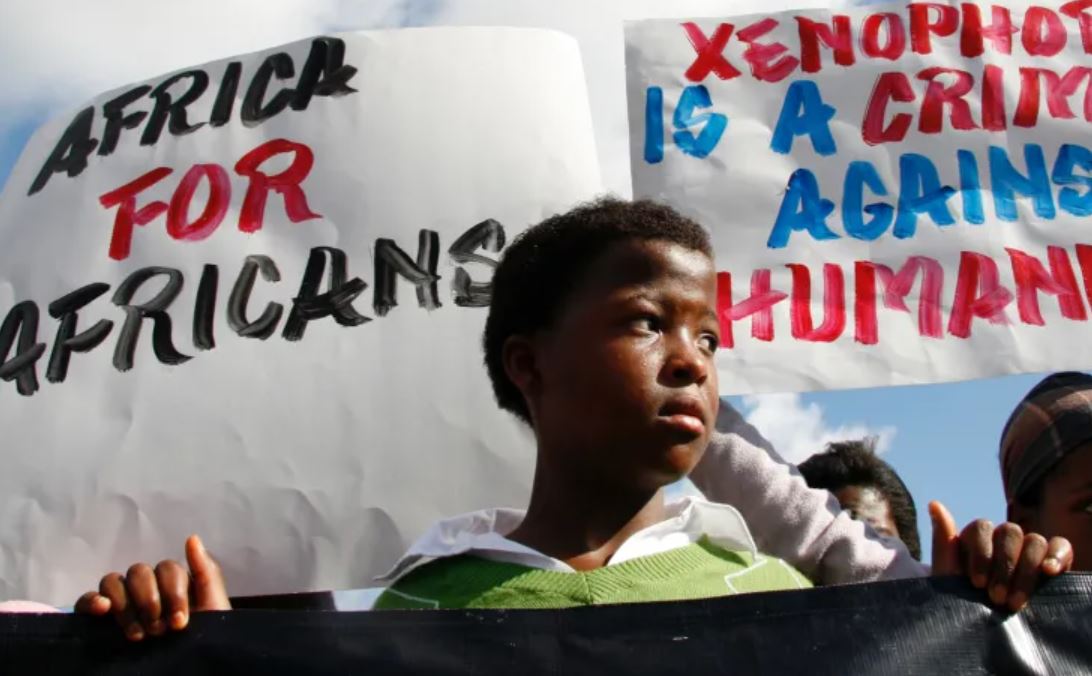
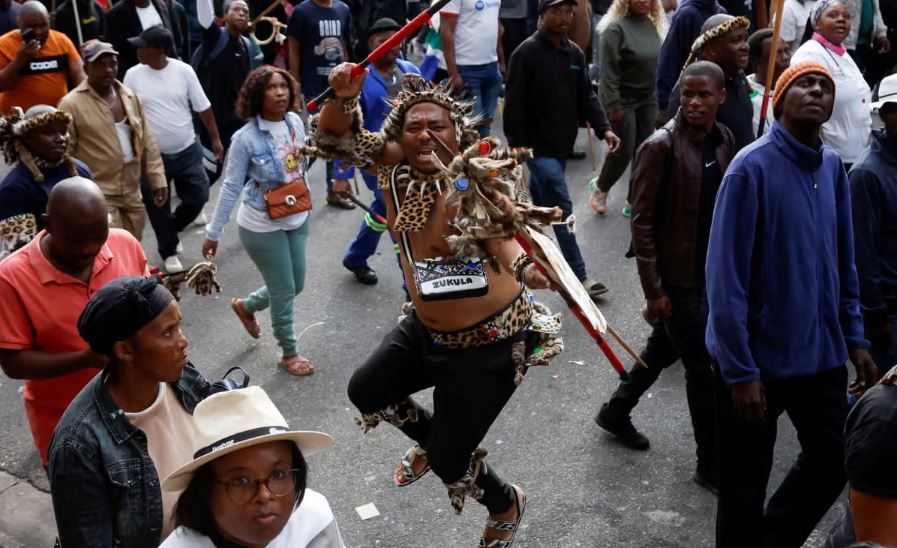
Yet at home, a different story is unfolding on the streets of Johannesburg, Durban, and Cape Town. Waves of xenophobic violence have flared again, targeting African migrants from Zimbabwe, Mozambique, Malawi, Nigeria, and Somalia. Shops have been looted, foreign nationals assaulted, and some forced to flee communities they have lived in for years. The very continent that celebrated South Africa’s ICJ case is now watching videos of African brothers and sisters being chased from townships, their crime being their nationality.
The contrast is stark, and it is not lost on the rest of Africa.
For many observers, the irony cuts deep. A nation that endured decades of racial oppression, and built its post-1994 identity on ubuntu and human dignity, is now grappling with citizens who blame fellow Africans for unemployment, crime, and failing services. The same Constitution that underpins South Africa’s foreign legal battles guarantees rights to all who live in it. But the reality for many migrants is fear, exclusion, and violence.
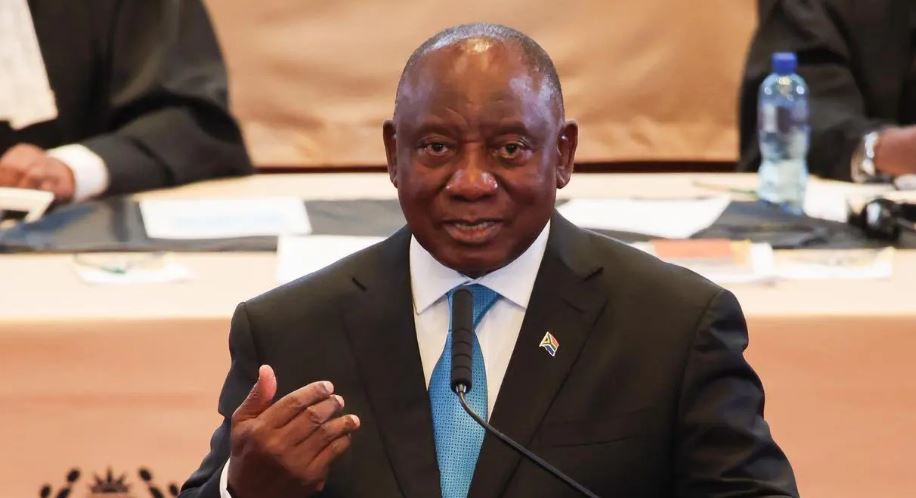
Government officials have condemned the attacks. Police have made arrests. President Cyril Ramaphosa has repeatedly said that there is no place for xenophobia in South Africa. Civil society groups run campaigns with slogans like “We are all African”. Still, the violence resurfaces, often triggered by economic frustration and stoked by local leaders who claim foreigners steal jobs and housing.
The irony deepens when viewed from elsewhere on the continent. Ghana, Nigeria, and Zimbabwe were among countries that hosted ANC exiles during apartheid and applied pressure for sanctions against the white minority regime. Their citizens now ask why South Africa, which fights for Palestinian rights in The Hague, cannot protect African lives in Hillbrow.
Human rights lawyers point to a legal and moral contradiction. “You cannot separate domestic human rights from international ones,” said a Johannesburg-based advocate who asked not to be named. “The credibility of your foreign policy is tested by how you treat the vulnerable within your borders.”
Others argue the comparison is unfair. South Africa hosts millions of migrants, far more than most African states, while battling 32 percent unemployment and struggling public services. They say the state’s ICJ case is consistent with international law, and domestic xenophobia is a social crisis, not state policy.
But for victims of the violence, legal distinctions mean little. A Malawian shopkeeper in Diepsloot who lost everything in an April 2026 attack put it plainly: “They speak for Palestine, but who will speak for us here?”
The African Union has called for calm and urged South Africa to uphold the values of the continent. On social media, the hashtag #NotOurSA trends alongside #FreePalestine, capturing the tension of a country seen as both champion and contradiction.
South Africa’s post-apartheid promise was that human dignity would be universal. Its case against Israel was a reminder of that promise. The xenophobic fires at home are a test of whether the promise holds for everyone.
As one activist in Soweto said this week: “We fought to be human in the eyes of the world. Now we must fight to see each other as human too.”
Join our WhatsApp Channel
Be part of a growing community that relies on Dagmedia News for fast, accurate, and credible updates from across Zimbabwe and beyond.
We also offer: Graphic Design, Photography, Web Design, Videography, Concept Development, Idea Generation & Incubation, and Advertising Services.
©️ www.dagmedia.co.zw 2026
Click here to subscribe: Follow us on WhatsApp

















Comments (0)
Join the conversation
Sign in with Google to comment and like articles
No comments yet. Be the first to share your thoughts!