

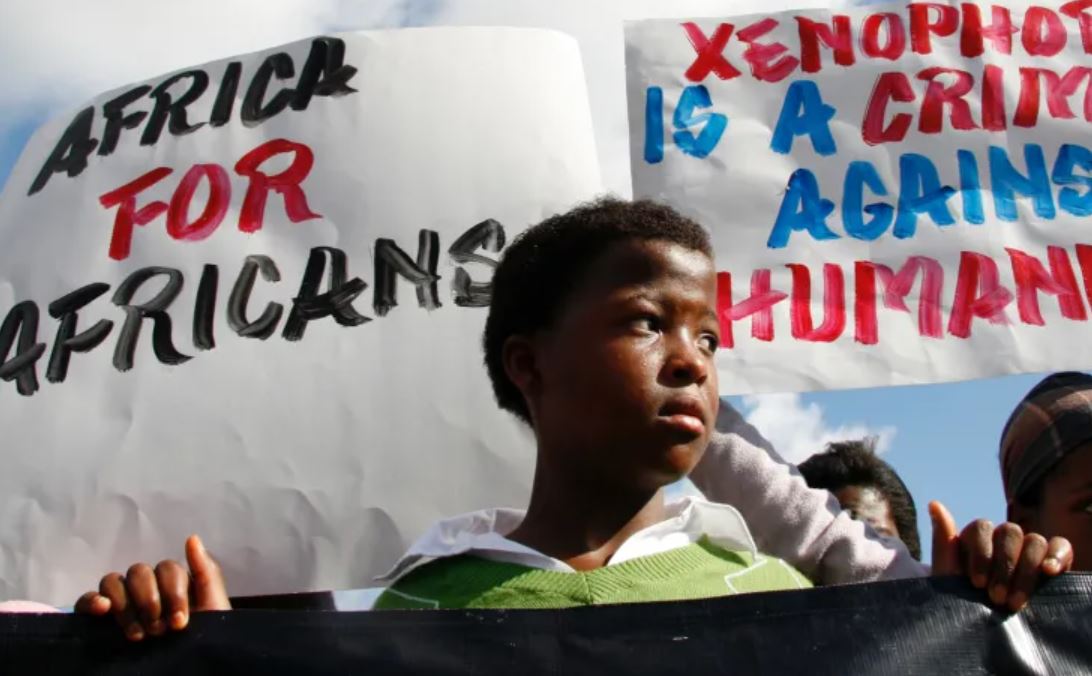
For years, summit after summit has condemned xenophobic violence in South Africa. Governments have issued statements. Regional leaders have appealed for calm. Human rights organisations have documented attacks. Yet the violence has returned with disturbing regularity.
Now, an unusual diplomatic path is emerging.
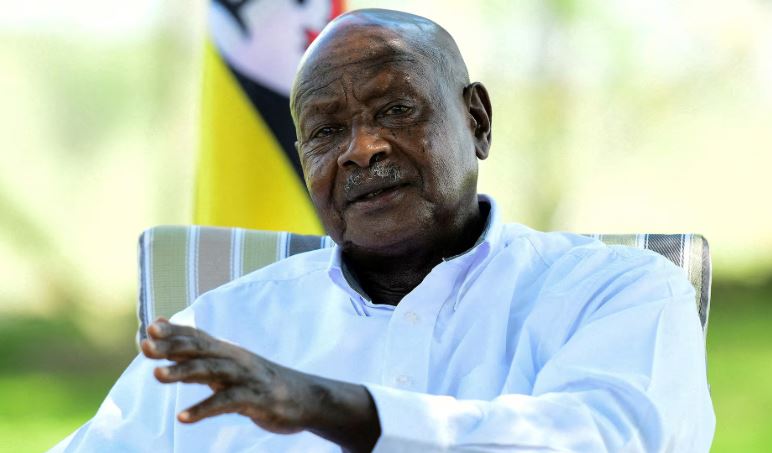
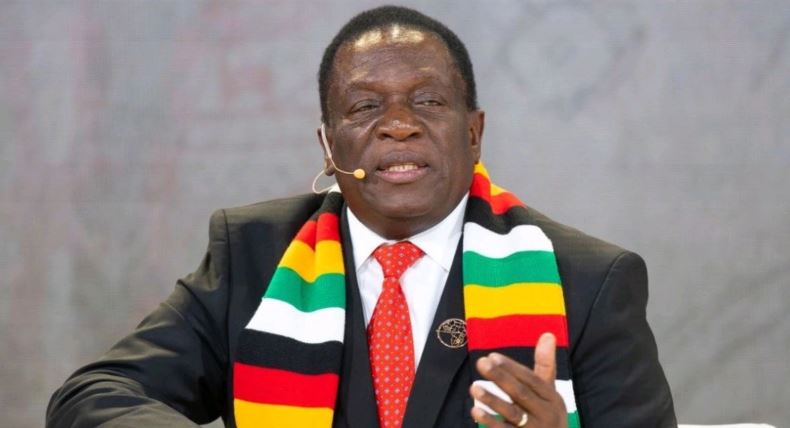
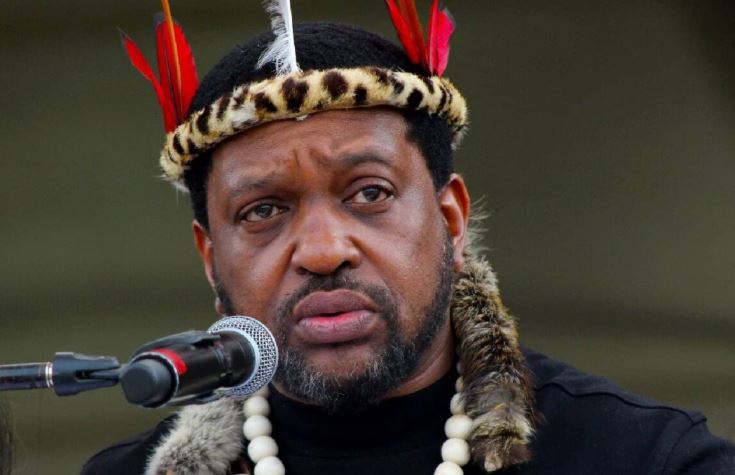
AmaZulu King Misuzulu kaZwelithini and King Ndamase Ndamase of the AmaMpondo are expected to engage President Emmerson Mnangagwa over the growing wave of attacks against foreign nationals in South Africa, particularly Zimbabweans and other Africans. The proposed engagement follows correspondence from King Ndamase requesting an audience with President Mnangagwa and proposing a broader regional dialogue on migration, minority communities and African unity. Zimbabwean officials have confirmed that President Mnangagwa is expected to meet the traditional leaders as part of efforts to address the crisis.
The development is extraordinary.
Not because kings have suddenly entered diplomacy.
But because it raises a difficult question.
Have conventional political channels failed to stop a problem that has haunted Southern Africa for nearly two decades?
South Africa has experienced repeated outbreaks of xenophobic violence since 2008. Thousands of foreign nationals have lost homes, businesses and livelihoods while dozens have been killed over the years. Human rights organisations continue to warn that migrants are frequently blamed for unemployment, crime and poor public services despite limited evidence supporting those claims.
If governments have been discussing this issue for years, why are Africans still running for their lives?
Why are buses leaving South Africa carrying frightened families instead of hopeful workers?
Why are children born and raised in South Africa suddenly being told they do not belong?
What has changed since the first major attacks in 2008?
Has anything really changed?
Or have the speeches simply become longer while the solutions remain elusive?
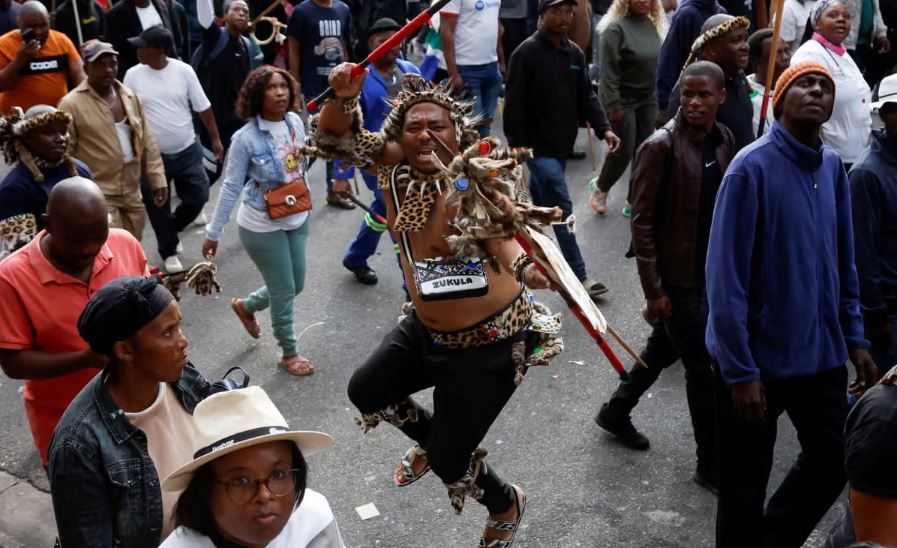
Traditional leaders command immense influence in many South African communities, particularly in KwaZulu-Natal and the Eastern Cape, areas that have periodically experienced anti-immigrant tensions.
Can that influence succeed where political declarations have struggled?
Can a king persuade those who no longer listen to politicians?
Can culture succeed where legislation has failed?
Or is xenophobia now too deeply rooted to be solved by words alone?
King Ndamase's proposal reportedly goes beyond ending violence. It reportedly seeks a regional conversation on migration, minority communities and economic integration under the African Continental Free Trade Area, including a proposed SADC summit in Victoria Falls.
It is an ambitious vision.
Yet another question follows.
Can Africa genuinely pursue continental integration while Africans continue fearing one another across borders?
The African Union speaks of a borderless Africa.
The African Continental Free Trade Area promises freer movement of goods, services and investment.
But can those ambitions coexist with communities that patrol neighbourhoods demanding identity documents from fellow Africans?
Can continental unity exist if African passports still provoke suspicion?
Can Pan-Africanism survive if an African is considered welcome in a conference hall but unwanted in a township?
The violence has never affected Zimbabweans alone.
Malawians, Mozambicans, Nigerians, Ethiopians, Somalis, Congolese and other African nationals have all found themselves caught in successive waves of hostility.
If today's victim is Zimbabwean, who becomes tomorrow's victim?
If today's slogan targets one nationality, what prevents tomorrow's slogan from targeting another?
Perhaps the most uncomfortable question is directed at the region itself.
Have African governments focused too much on managing the consequences instead of confronting the causes?
Is unemployment the problem?
Is illegal migration the problem?
Is organised crime the problem?
Or have migrants become convenient scapegoats for deeper economic frustrations that governments have failed to resolve?
South Africa's Constitution guarantees dignity, equality and protection to everyone within its borders regardless of nationality. International human rights law imposes similar obligations. Yet every new outbreak of violence tests those commitments.
President Mnangagwa's anticipated engagement with the two monarchs therefore carries significance beyond Zimbabwe and South Africa.
It asks whether Africa's traditional institutions can help rebuild a spirit of Ubuntu that many believe has been eroded.
It asks whether dialogue between traditional leaders can calm communities before politicians are forced to respond to tragedy.
Most importantly, it asks whether Africans are prepared to defend the very ideals that inspired the continent's liberation struggles.
The proposed meeting may not end xenophobic violence overnight.
No single conversation can erase years of fear, mistrust and economic hardship.
But if kings, presidents and ordinary citizens cannot find common ground on the value of African life, who will?
And if Africa cannot protect Africans from fellow Africans, what becomes of the dream that Africa belongs to all who call it home
Join our WhatsApp Channel
Be part of a growing community that relies on Dagmedia News for fast, accurate, and credible updates from across Zimbabwe and beyond.
We also offer: Graphic Design, Photography, Web Design, Videography, Concept Development, Idea Generation & Incubation, and Advertising Services.
©️ www.dagmedia.co.zw 2026
Click here to subscribe: Follow us on WhatsApp












Comments (0)
Join the conversation
Sign in with Google to comment and like articles
No comments yet. Be the first to share your thoughts!